Scalp Health Tips: Nourish Your Hair from Within

Healthy hair starts with a healthy scalp. Many people overlook scalp care, focusing solely on hair products and styling techniques. However, the condition of your scalp plays a crucial role in the health and appearance of your hair. In this blog post, we will explore effective tips for maintaining scalp health, nourishing your hair from within, and ensuring that your locks look vibrant and full of life.
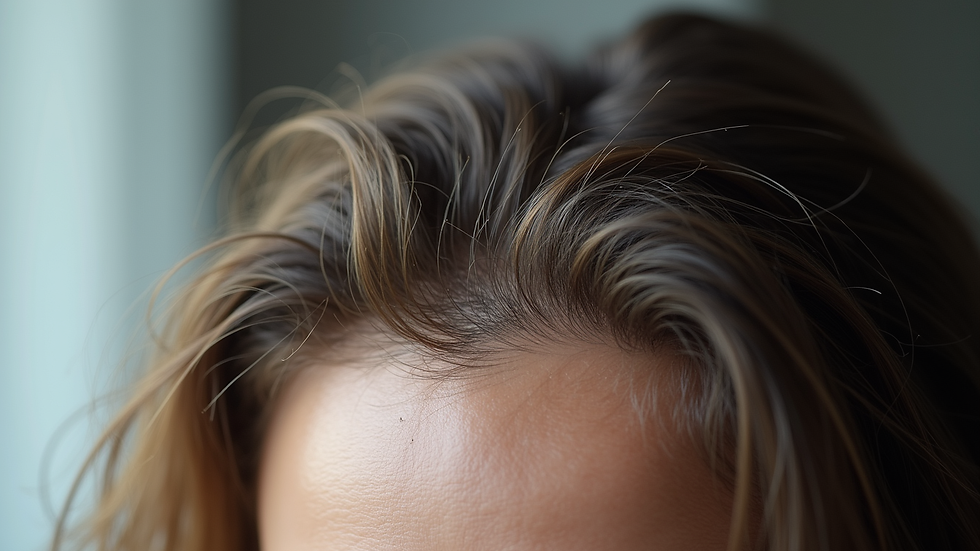
Understanding Scalp Health
Before diving into tips, it’s essential to understand what scalp health means. A healthy scalp is free from irritation, excessive oil, dryness, and dandruff. It provides a conducive environment for hair follicles to thrive, promoting hair growth and preventing hair loss.
Common Scalp Issues
Dandruff: Flaky skin on the scalp can be caused by dry skin, sensitivity to hair products, or a yeast-like fungus.
Dry Scalp: This condition can lead to itchiness and irritation, often exacerbated by environmental factors or harsh hair products.
Oily Scalp: Excess oil can clog hair follicles, leading to issues like acne on the scalp and hair that looks greasy.
Scalp Psoriasis: A chronic condition that causes red patches and scales on the scalp, often requiring medical treatment.
Understanding these issues can help you take proactive steps to maintain a healthy scalp.
Nourishing Your Scalp from Within
Diet Matters
What you eat significantly impacts your scalp and hair health. Here are some essential nutrients to include in your diet:
Omega-3 Fatty Acids: Found in fish, flaxseeds, and walnuts, omega-3s help nourish the scalp and promote hair growth.
Vitamins A and C: These vitamins are crucial for sebum production, which keeps your scalp moisturized. Incorporate foods like carrots, sweet potatoes, and citrus fruits.
Biotin: This B vitamin is known for promoting hair health. Eggs, nuts, and whole grains are excellent sources.
Zinc: Essential for hair tissue growth and repair, zinc can be found in meat, shellfish, legumes, and seeds.
Hydration is Key
Staying hydrated is vital for overall health, including scalp health. Water helps maintain moisture levels in your scalp, preventing dryness and irritation. Aim for at least eight glasses of water a day, and consider incorporating hydrating foods like cucumbers and watermelon into your diet.
Scalp Care Routine
Regular Cleansing
Keeping your scalp clean is essential for preventing buildup and irritation. Choose a gentle shampoo that suits your hair type and avoid sulfates, which can strip natural oils.
Frequency: Depending on your hair type, wash your hair every 2-3 days. Oily scalps may require more frequent washing, while dry scalps may benefit from less frequent cleansing.
Exfoliation
Just like your skin, your scalp can benefit from exfoliation. This process removes dead skin cells and product buildup, promoting a healthier scalp environment.
How to Exfoliate: Use a scalp scrub or a gentle exfoliating shampoo once a month. You can also create a DIY scrub using sugar and your favorite oil.
Scalp Massage
Incorporating a scalp massage into your routine can stimulate blood circulation, promoting hair growth and relaxation.
Technique: Use your fingertips to gently massage your scalp in circular motions for about 5-10 minutes while shampooing or applying conditioner.
Choosing the Right Products
Shampoos and Conditioners
Selecting the right products is crucial for maintaining scalp health. Look for:
Sulfate-Free Shampoos: These are gentler on the scalp and help retain natural oils.
Moisturizing Conditioners: Choose conditioners that hydrate and nourish your scalp.
Essential Oils
Essential oils can provide additional benefits for scalp health. Consider using:
Tea Tree Oil: Known for its antifungal properties, tea tree oil can help combat dandruff.
Peppermint Oil: This oil can stimulate blood flow to the scalp, promoting hair growth.
Avoiding Harsh Chemicals
Be cautious with hair products that contain alcohol, parabens, and synthetic fragrances, as these can irritate the scalp. Always read labels and opt for natural or organic products when possible.
Lifestyle Factors
Stress Management
Stress can negatively impact your scalp health, leading to issues like hair loss and dandruff. Incorporate stress-reducing activities into your routine, such as:
Yoga or Meditation: These practices can help calm your mind and reduce stress levels.
Regular Exercise: Physical activity boosts circulation and promotes overall well-being.
Sleep Quality
Adequate sleep is essential for overall health, including scalp health. Aim for 7-9 hours of quality sleep each night to allow your body to repair and rejuvenate.
Environmental Considerations
Protecting Your Scalp
Environmental factors can take a toll on your scalp health. Here are some tips to protect your scalp:
Sun Protection: Just like your skin, your scalp can get sunburned. Wear a hat or use a UV-protectant spray when spending time outdoors.
Humidity Control: High humidity can lead to excess oil production. Use lightweight products that won’t weigh your hair down.
Seasonal Changes
Your scalp may react differently to seasonal changes. In winter, dry air can lead to a dry scalp, while summer heat can increase oiliness. Adjust your hair care routine accordingly.
When to Seek Professional Help
If you experience persistent scalp issues despite following these tips, it may be time to consult a dermatologist. Conditions like psoriasis or severe dandruff may require specialized treatment.
Final Thoughts
Maintaining a healthy scalp is essential for beautiful hair. By nourishing your scalp from within through a balanced diet, proper hydration, and a consistent care routine, you can promote hair growth and prevent common scalp issues. Remember to choose the right products, manage stress, and protect your scalp from environmental factors.
Take charge of your scalp health today, and enjoy the benefits of vibrant, healthy hair!
Comments